


























Day 16 of the Jerez Festival: Fernando Belmonte, Fernando de la Morena & El Torta


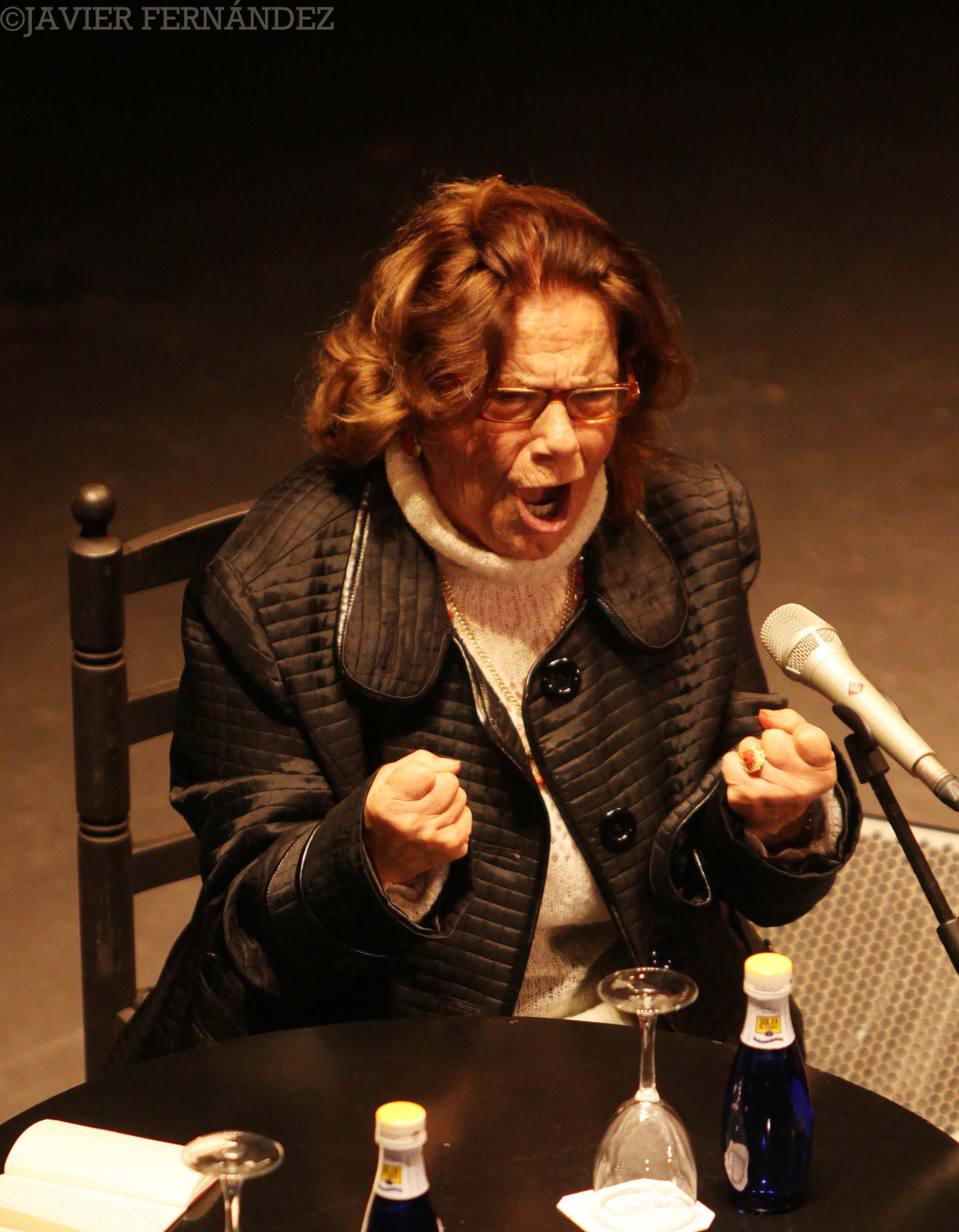
To close the Con Nombre Propio: Vivencias cycle, Encarnación Marín “La Sallago” was interviewed by the journalist Alberto García Reyes, a flamenco writer for the ABC newspaper. Marín is one of flamenco’s living legends. At the age of 91, she has no problem showing off her jovial side as a singer who has lived unforgettable artistic experiences.
From an early age, Marín exhibited an innate artistic talent, which let her to tour Spain with her prodigious voice and share stages with the biggest names in flamenco history: Pepe Pinto, Nina de los Peines, Caracol, El Perrate, La Paquera and Camarón. Her career is one of the longest lasting in flamenco history.
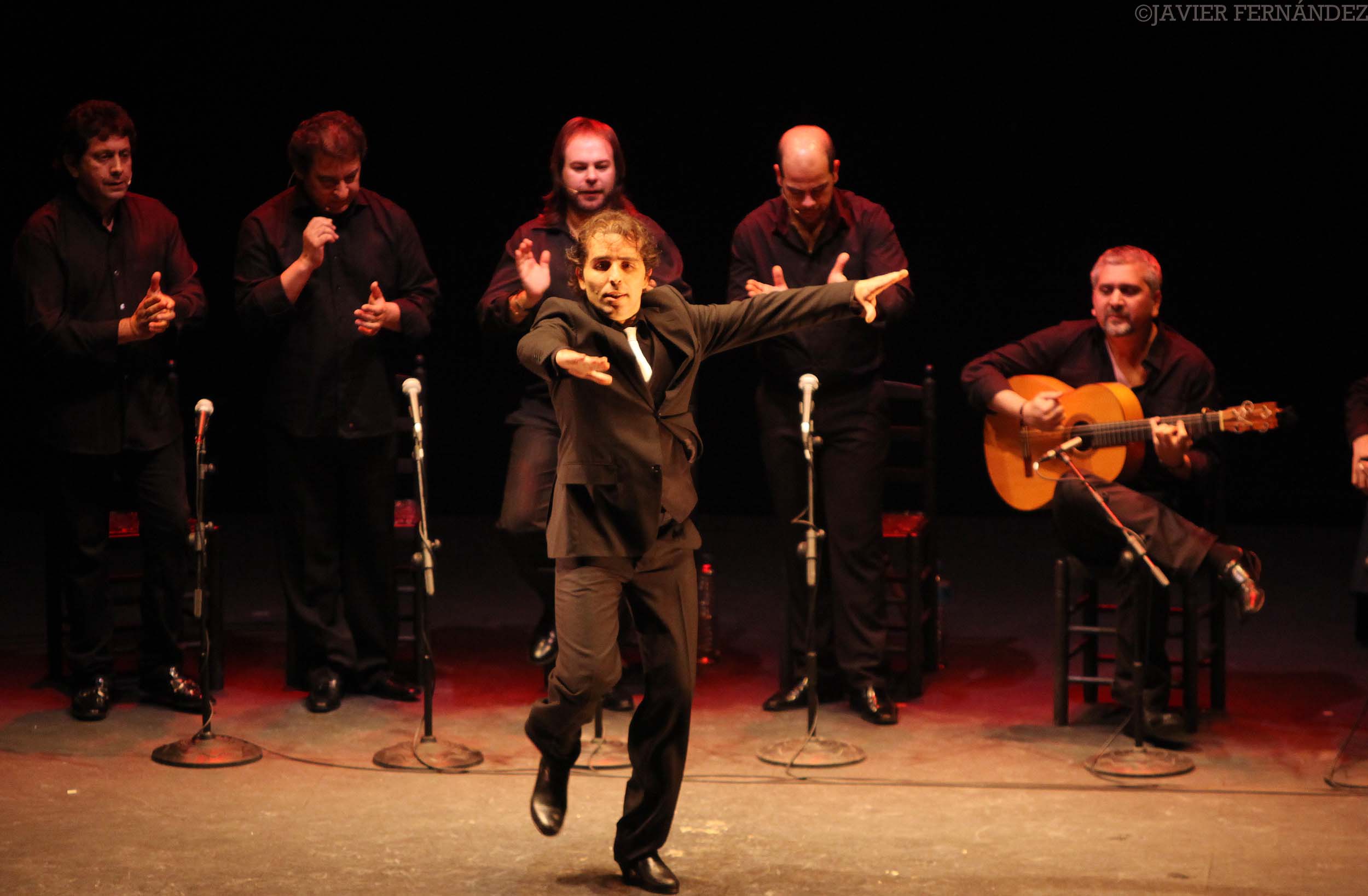
Rafael Estévez and Nani Paños, return to Jerez with their company Dos Pormedio and the show “Sonata,” a production that debuted two years ago with which their intention is to recuperate this modality, danced for the first time in 1952, like the Escuela Bolera solo, by Antonio el Bailarín in the film “Duende y Misterio del Flamenco” by Edgar Neville.
|
The Alboreá is one of the least known palos outside of flamenco circles, and for this reason, it is a small treasure that flamenco newcomers discover with avid ears. The alboreá is generally sung in couplets of four verses with six syllables and a chorus with a timing similar to that of a light solea or solea por bulerías, and its particularity is its intimacy and the part that it plays in gypsy weddings. Its externalization is sometimes considered a profanation of this palo reserved for nuptials, making its popularization harshly criticized. The lyrics of the alboreá normally reference the virginity of the bride and the calé tradition. Its performance outside of the family was thought to bring bad luck, so very few recordings exist. Some of the singers that have performed the alboreá are Rafael Romero, Agujetas el Viejo and Joselero. Their performance of this palo is pure, racial and gruff. |
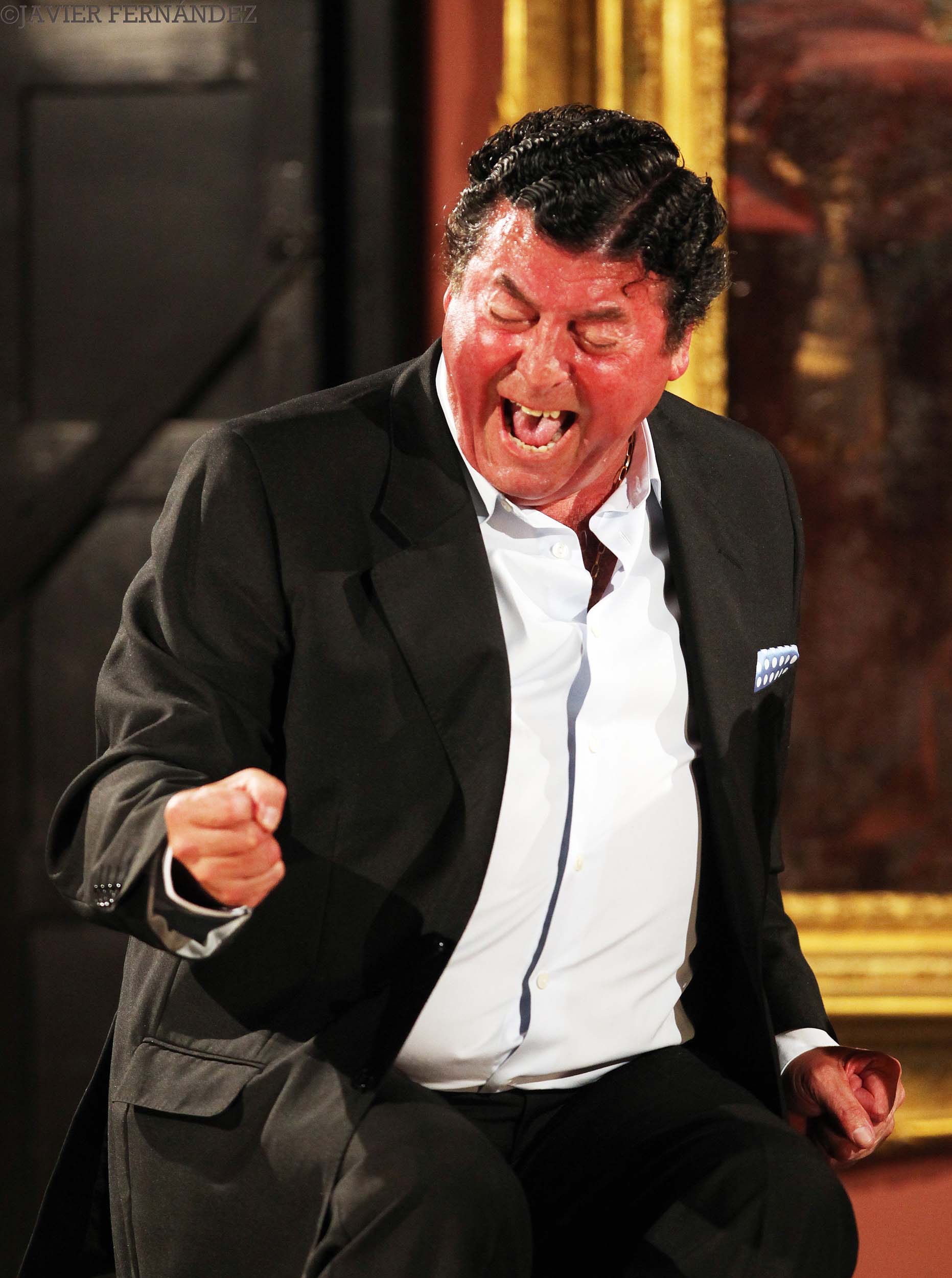
The singer Luis Fernández Soto “El Zambo” has a prodigious ancestral voice and haunting moan. An absolute master of song and the singing styles typical of Jerez, Luis’ manner of interpreting flamenco song is an excellent example for young artists. The Conciertos de Palacio cycle offered attendees of all ages the best possible opportunity to see the singer from Jerez, face to face and without a microphone.
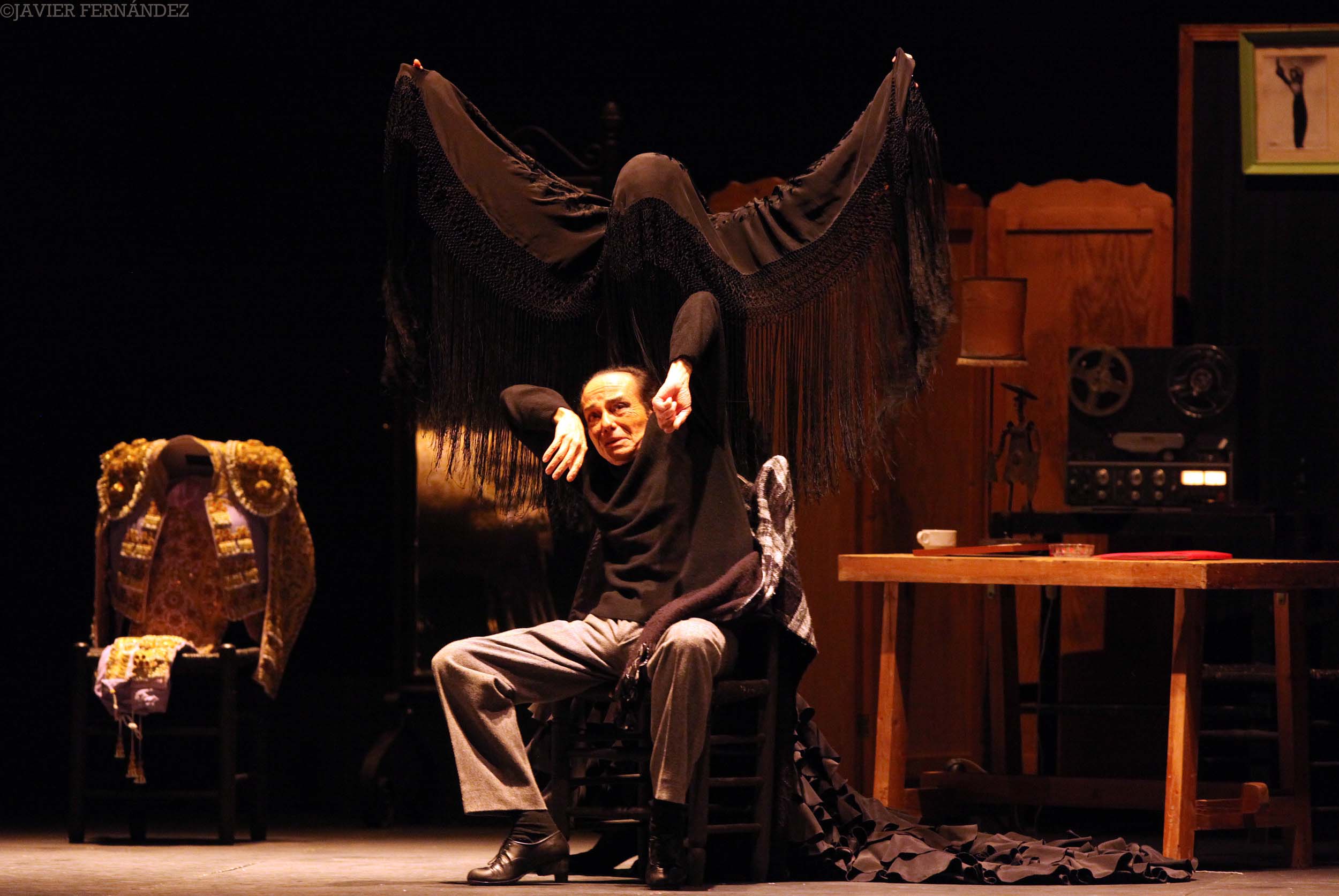
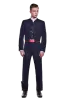
The dancer and choreographer from Seville Fernando Romero challenged himself by making a flamenco version of a classic: Stravinsky’s “The Soldier’s Tale” written in 1918. Romero plays the role of a soldier who makes a deal with the devil, embodied by Manolo Marín. The other characters are the singers Juan José Amador and Miguel Ortega, who act as the narrators, and Isabel Bayón in the role of the princess.
“Historia de un soldado” follows in the footsteps of theatrical flamenco dance. It was at the beginning of last century when this artistic style began with artists like Antonia Mercé “La Argentina,” a style also interpreted by grand masters, such as José Granero and Mario Maya, who without a doubt influenced Romero.
(+34) 91 542 72 51.
We’re open from Monday – Friday 10h-13:30h / 17:00-20:00h and Saturdays 10h-13:30h (GMT + 1).
In 2024, we will be closed for holidays on the 1st and 6th January, 28th, 29th, and 30th March, 1st, 2nd, and 15th May, 25th July, 15th August, 12th October, 1st and 9th November, 6th, 7th, and 25th December.
Our shop is located in Calle Campomanes nº 4, Madrid 28013 España (Ópera Metro Station)