
















Search
We export flamenco to all countries in the world.
WORLDWIDE SHIPPING
Shopping Cart
La Farruca: cruzando España de Galicia a Andalucía
Guitar Singing Palos

La Farruca: cruzando España de Galicia a Andalucía

El flamenco es un arte que se ha internacionalizado desde Andalucía, pero el camino no ha sido siempre en ese sentido. Al tratarse de un compás popular, ha recogido de las calles toda su esencia y los diferentes palos tienen una historia que contar, acaso gitana, acaso alegre o dramática, más allá de su letra.

Este es el caso de la Farruca. Se trata de uno de los palos más recientes del flamenco y su origen lo encontramos en Galicia y Asturias. De hecho, ‘farruca’ es una palabra de origen gallego que significa ‘cante de los gallegos’. Esta forma mestiza comenzó su andadura cruzando España de punta a punta para cobrar identidad propia flamenca. Su origen se encuentra por tanto ligado al folclore del Norte de España. Los movimientos demográficos de mediados del siglo XIX hicieron que los mozos y temporeros que acudían a trabajar a Andalucía trajeran con ellos este cante. Luego, el tiempo, la adaptación y el mestizaje con músicos andaluces le proporcionó compás flamenco. Esta nueva versión, interpretada con aire de soleá, fue la que poco a poco se fue popularizando en la primera mitad del siglo XX.

Sin embargo, en nuestros días la farruca como cante no se escucha frecuentemente. Vivió sus momentos de mayor gloria de la mano de Manuel Torre (1878-1933) y posteriormente al ser interpretada con voz de falsete femenina en la obra ‘Alma de Dios’.


Read more →
Alboreá: The Light of Dawn
Music Singing Palos

Alboreá: The Light of Dawn

The Alboreá is one of the least known palos outside of flamenco circles, and for this reason, it is a small treasure that flamenco newcomers discover with avid ears.

The alboreá is generally sung in couplets of four verses with six syllables and a chorus with a timing similar to that of a light solea or solea por bulerías, and its particularity is its intimacy and the part that it plays in gypsy weddings. Its externalization is sometimes considered a profanation of this palo reserved for nuptials, making its popularization harshly criticized.

The lyrics of the alboreá normally reference the virginity of the bride and the calé tradition. Its performance outside of the family was thought to bring bad luck, so very few recordings exist. Some of the singers that have performed the alboreá are Rafael Romero, Agujetas el Viejo and Joselero. Their performance of this palo is pure, racial and gruff.

Read more →
Prayer Made Song
Singing Palos

Prayer Made Song

Una Saeta

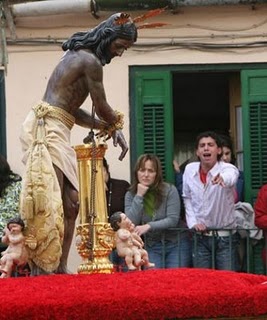
From Seville to Jerez de la Frontera, and passing through Algeciras, Periana, Don Benito and Miajadas, there are many cities and towns in which Saetas ring out amongst the aromas of orange blossoms and incense. Several contests and events celebrating this flamenco style born of prayers and requests for grace from the Christs and Virgins of Holy Week were held this week.

The Saeta’s lyrics reflect the moment of the Passion and Death of Jesus Christ and the Virgin’s pain upon witnessing her son’s crucifixion, and what began as a spontaneous prayer ended as a song difficult to execute. The first known records of the saeta are from the last third of the XVIII century. However, it is probable that they existed even earlier, although there’s no evidence of it...


Read more →
Flamenco Export Help
Order status Customer Service

(+34) 91 542 72 51.
We’re open from Monday – Friday 10h-13:30h / 17:00-20:00h and Saturdays 10h-13:30h (GMT + 1).

 
In 2024, we will be closed for holidays on the 1st and 6th January, 28th, 29th, and 30th March, 1st, 2nd, and 15th May, 25th July, 15th August, 12th October, 1st and 9th November, 6th, 7th, and 25th December.
 
Our shop is located in Calle Campomanes nº 4, Madrid 28013 España (Ópera Metro Station)